
What I've learned about transformation design thus far #3
A goal focuses attention on a future state, making the present merely instrumental, a means to an end. But transformation happens only in the present. It happens when attention is fully here, not leaning forward toward some imagined future self.
Moreover, goals imply that we know in advance what transformation should look like. But genuine transformation is, by definition, a movement into the unknown. The self that emerges cannot be fully anticipated by the self that enters the process. To set a goal for transformation is to limit it to what our current self can imagine, which is precisely what transformation transcends.
As a designer, my task is to create containers strong enough to hold transformation but open enough to allow it to unfold in unexpected directions. This requires a certain faith. Faith that the process itself is intelligent, that what emerges will be what needs to emerge, that the way knows where it’s going even when we don’t.
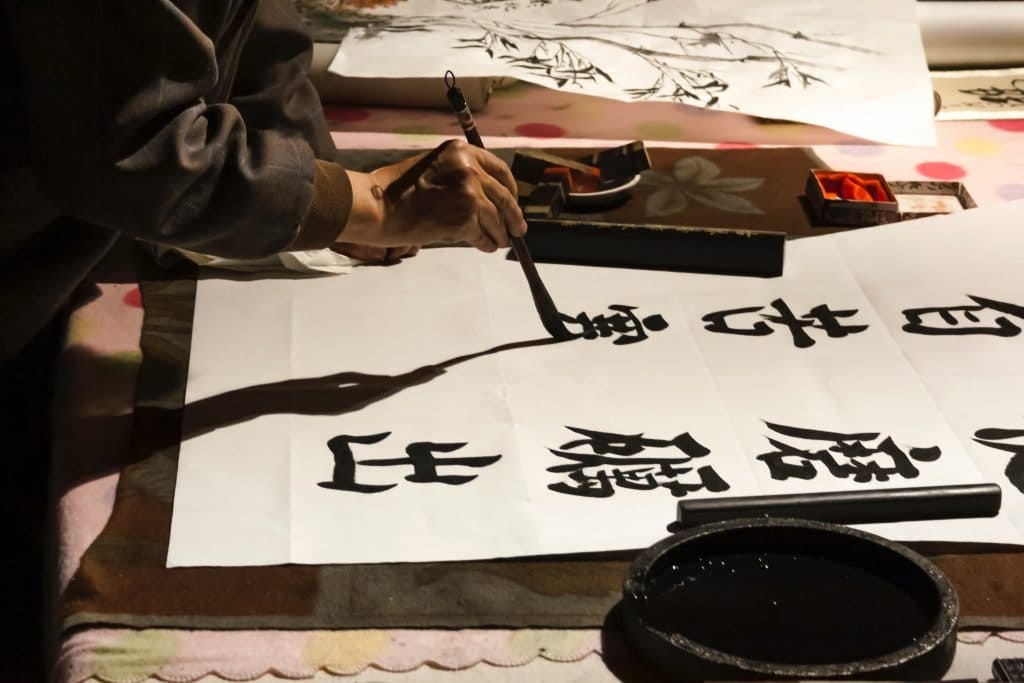
In Japanese, the character for dō (道) is the same as the Chinese tao. It means road, path, way; but also principle, truth, the underlying nature of things. When added to a practice, it transforms that practice from skill into path, from technique into transformation technology.
The distinction matters. A skill is something you have; a way is something you walk. A skill can be mastered and set aside; a way is lifelong. A skill serves external ends; a way transforms the one who practices.