

What I've learned about transformation design thus far #61
Think about the last experience that genuinely changed you: a trip, a retreat, a meal, or a festival that sparked new ambitions. Strip away the specifics, and the shape underneath is almost always the same. You left the familiar. You were tested. Something in you broke down. And you came back different, carrying something you didn’t have before.
In 1949, Joseph Campbell gave the shape a name. In The Hero with a Thousand Faces, he identified a narrative pattern that recurs across cultures and throughout history, which he dubbed monomyth, or the Hero’s Journey: a universal structure describing the protagonist’s transformation through adventure.
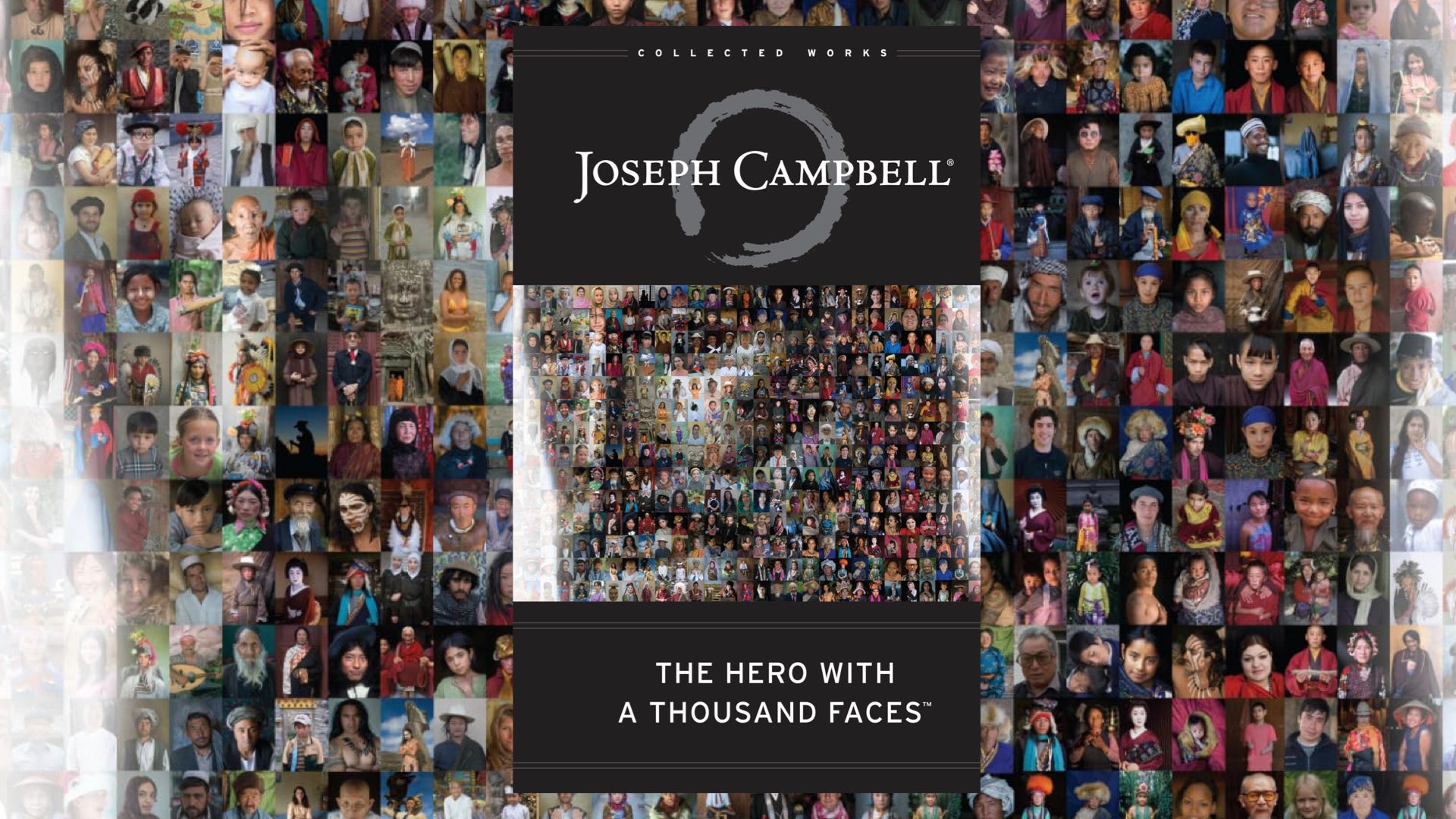
The journey has stages. In simplified form: the hero lives in the ordinary world, receives a call to adventure, crosses a threshold into a special world, faces trials and ordeals, reaches a climax of death and rebirth, receives a reward or boon, and returns to the ordinary world transformed, bearing gifts for their community.
This structure is not arbitrary. It reflects something true about how transformation actually works. There is a departure from the familiar. There then is an encounter with a challenge. There must be some kind of death of old identity, old patterns, old limitations. There is a rebirth into something new. And then there must be a return: integration, bringing back what was gained.
That is as true of a single evening as it is of an epic. The scale is the only thing that moves. A month-long pilgrimage runs the full arc slowly and in depth. A weekend retreat runs it on a miniature scale. Same structure, different magnitude. Which is exactly what makes this frame useful. For a transformation designer, the Hero’s Journey is not a rigid formula to apply mechanically but a structure to think with. Every transformative experience moves through some version of these elements. Making them explicit, knowing where in the journey the guest is, what each phase asks for, and what supports each transition, is what lets an experience be designed on purpose rather than left to chance.
The scale changes, but the structure is similar.
In the posts that follow, I’ll take the journey apart stage by stage and look at what each one asks of the people who design it for others.